
Italian Food: What to Eat in Every Region
The best answer to what to eat in Italy is: whatever the region you are standing in does best. Italy has no single national cuisine — it has twenty regional ones, each with its own pasta, cheese, and fiercely defended rules. This guide follows the most famous dishes across the country, region by region, with gelato and the etiquette that keeps you on the locals’ good side.
Table of Contents
What to Eat in Italy at a Glance
| Region | Dish to order | Where to try it |
|---|---|---|
| Lazio (Rome) | Carbonara, cacio e pepe, amatriciana | A small trattoria in Trastevere |
| Campania (Naples) | Pizza Margherita | A historic pizzeria in the old centre |
| Emilia-Romagna (Bologna) | Tagliatelle al ragù | A traditional osteria in Bologna |
| Lombardy (Milan) | Risotto alla milanese | A classic Milanese restaurant |
| Liguria (Genoa) | Trofie al pesto | A trattoria near the old port |
| Tuscany (Florence) | Bistecca alla fiorentina | A steakhouse in Florence |
| Puglia (Bari) | Orecchiette with turnip tops | A family-run spot in Bari Vecchia |
| Sicily (Palermo) | Arancini, cannoli | Street-food stalls and pasticcerie |
Pasta in Rome
In Rome, pasta is a serious matter, and three dishes rule the city: carbonara, with egg, pecorino and guanciale; cacio e pepe, with cheese and black pepper; and amatriciana, with tomato and guanciale. Each uses a handful of ingredients — which is why Romans are so strict about them.
Order them in a small trattoria in Trastevere, and never ask for cream in a carbonara — the sauce is egg and cheese alone. If you are planning your days around meals, our Rome guide shows how to fit the city’s food into three days.
Pizza in Naples
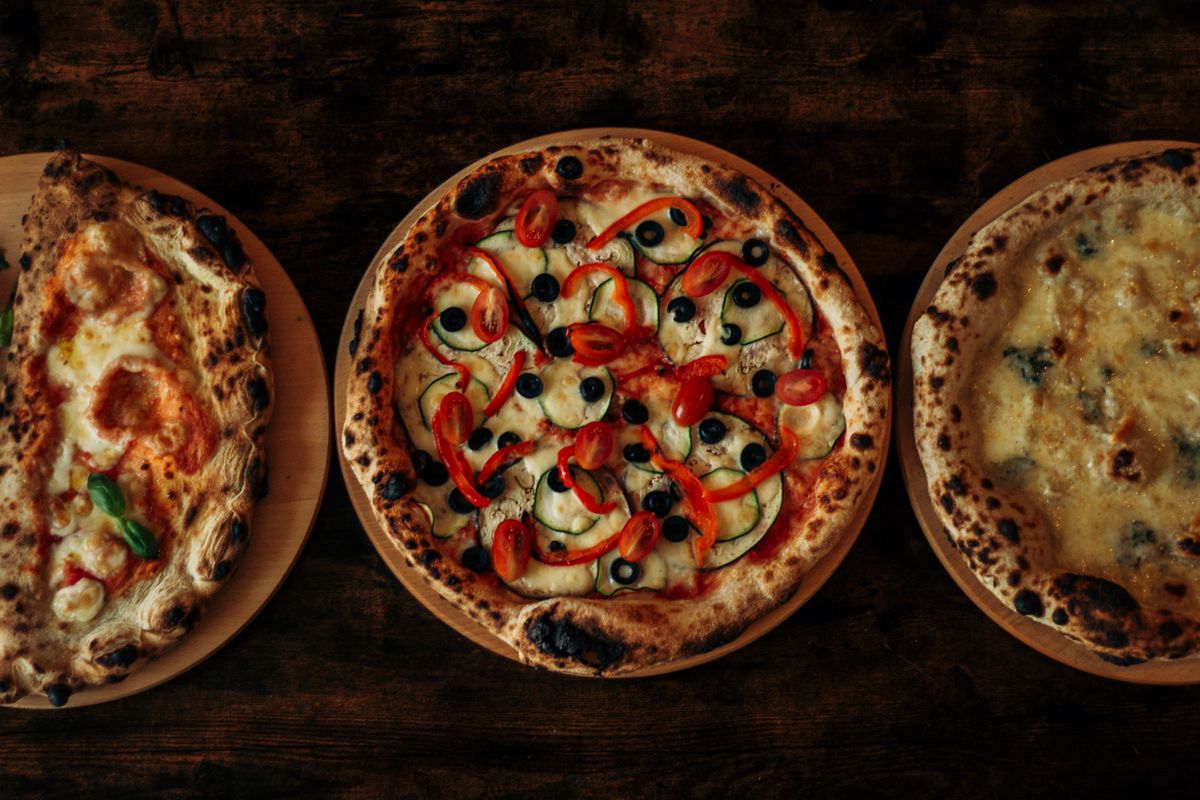
Pizza was born in Naples, and the city still sets the standard. A true Neapolitan pizza has a soft, chewy base, a raised crust, San Marzano tomatoes and fresh mozzarella, and it is cooked in a wood-fired oven in about a minute. The classic is the Margherita, with tomato, mozzarella and basil. Eat it folded in half, as the locals do.
The craft is taken so seriously that UNESCO inscribed the art of the Neapolitan pizzaiuolo on its Representative List of the Intangible Cultural Heritage of Humanity in 2017. UNESCO’s decision describes a four-phase practice passed down through generations in Naples.
Ragù in Bologna
Bologna is where “Bolognese sauce” comes from — but forget the name, and forget the spaghetti. The real dish is tagliatelle al ragù: fresh egg-pasta ribbons dressed with a slow-cooked meat ragù of beef, pancetta, soffritto, wine, tomato and milk. In Bologna, ragù goes on tagliatelle, never on spaghetti.
The Accademia Italiana della Cucina deposited the official ragù recipe with the Bologna Chamber of Commerce in 1982, and updated it in 2023. The tagliatelle have a deposited standard too: 8 mm wide once cooked, measured against the height of the Asinelli tower. Order it with Parmigiano Reggiano, and you are eating one of Italy’s defining dishes exactly as it should be.
Risotto in Milan
Milan’s great dish is risotto alla milanese, a creamy rice coloured golden with saffron. It takes patience: the rice is stirred slowly while hot stock is added a little at a time, until it is creamy but still firm. Milan is also the home of the aperitivo, the early-evening drink with a spread of small dishes — the best way to end a day of sightseeing. If you are timing a trip, our guide to the best time to visit Milan covers the seasons, including the design and fashion weeks that fill the restaurants.
Gelato: How to Spot the Good Stuff
Gelato is not the same as ice cream. It is made with more milk than cream, so it has less fat (around 4–9%, against 10–25% for ice cream), it is churned slowly so less air gets in, and it is served a few degrees warmer — which is why the flavour hits you harder and the texture stays dense and silky rather than fluffy.
Choose shops where gelato is kept in covered metal tins rather than piled high in bright mounds, and be suspicious of colours nature never made — pistachio should be muted green-brown, not neon. Fruit flavours should follow the season: strawberry in June, not January. Once you know what to eat in Italy, gelato is the easiest win — just pick the right shop.
Italian Food Etiquette
A few rules will keep you on the locals’ good side:
- Do not order a cappuccino after eleven in the morning — milky coffee is a breakfast drink in Italy.
- Do not ask for cheese on seafood pasta. Fish and cheese do not mix in the Italian kitchen.
- Do not rush your meal. Lunch is a pause, not a pit stop, and nobody will hurry you out of your table.
- Expect the coperto, a small cover charge per person on the bill. It is normal, not a tourist trick, and tipping is a small extra — service is usually included.
Eating Your Way Across Italy
- Order the local speciality, not the dish you know from home.
- Eat where the menu is short and changes with the seasons.
- Save room for gelato — it is a second dessert, not an afterthought.
Pair this guide with our Florence guide for Tuscan steak and Chianti country, our Venice guide for cicchetti by the canals, and our Tuscany guide for the hill towns where the best meals hide.
So, now you know what to eat in Italy — what will you eat first? Start with the dish of the region you land in and save room for gelato. Tell us your favourite Italian dish in the comments — and which region won your appetite.
