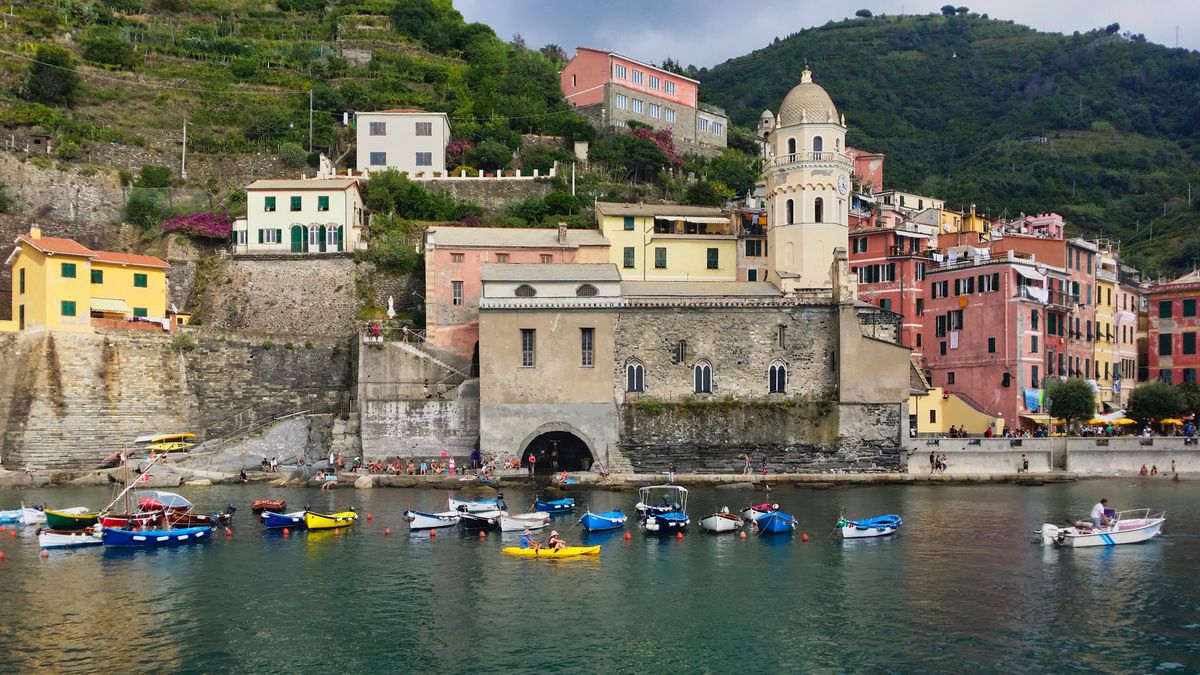
Cinque Terre: A Complete Travel Guide
Cinque Terre is the perfect first taste of the Italian Riviera: five colourful fishing villages — Monterosso, Vernazza, Corniglia, Manarola and Riomaggiore — joined by cliff paths, a railway and a shared love of the sea. This complete Cinque Terre travel guide covers everything you need to plan your trip: the five villages and what makes each one special, how to get there by train, the famous coastal hikes, the best time to visit and practical tips that save you time and money. Whether you have one day or a slow week, the Cinque Terre is easier to enjoy than you expect — and harder to leave.
Table of Contents
The Five Villages at a Glance
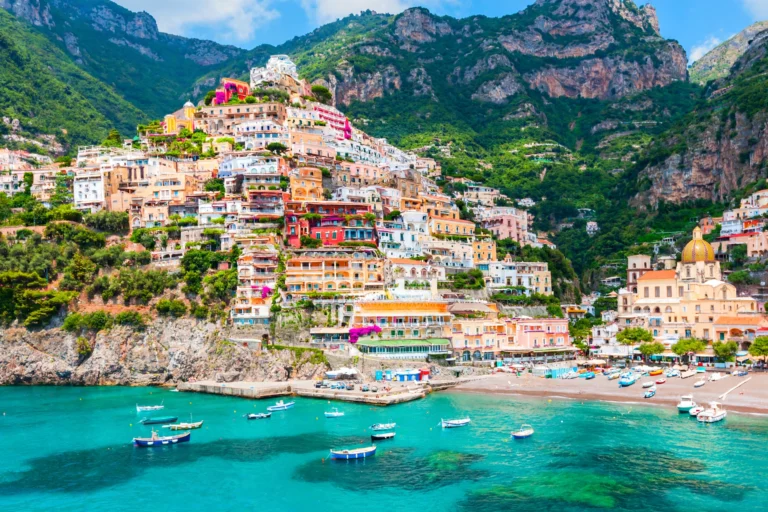
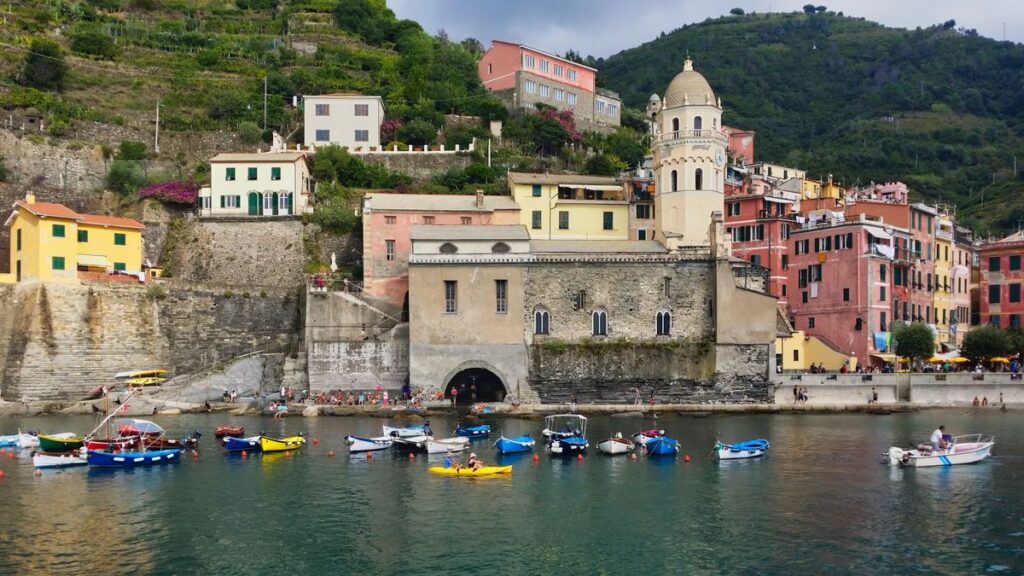
From north to south, the villages of the Cinque Terre run Monterosso al Mare, Vernazza, Corniglia, Manarola and Riomaggiore. Each one has its own character, but they share brightly painted houses, small harbours and views that stop you mid-step. The five villages and the coast around them are so special that UNESCO added them to the World Heritage List in 1997. Use this quick comparison to choose where to base yourself — or simply visit all five in a day by train.
| Village | Best for | Don’t miss |
|---|---|---|
| Monterosso al Mare | Beaches and families | The sandy beach and the old town |
| Vernazza | The classic postcard view | The harbour and the castle tower |
| Corniglia | Quiet views and fewer crowds | The cliff-top terrace at sunset |
| Manarola | Sunsets and photography | The harbour viewpoint at dusk |
| Riomaggiore | A first stop close to La Spezia | The marina and the Via dell’Amore |
How to Get to Cinque Terre
The easiest way to reach Cinque Terre is by train. La Spezia Centrale, the main gateway, is about 90 minutes from Florence and around three hours from Rome by rail, with a change in Pisa or Genoa. From La Spezia, local trains stop at all five villages, and the ride to Riomaggiore takes just eight minutes.
Driving is not the way to see the Cinque Terre. The villages are largely car-free, the coastal road is narrow and winding, and parking is scarce and expensive. If you arrive by car, leave it in La Spezia or Levanto and take the train in. Coming from Genoa, Levanto is the northern gateway and a relaxed base with its own beach. If you are planning a longer Italian trip, our Tuscany guide covers Florence, Siena, San Gimignano and the Val d’Orcia — an easy next stop after the coast.
Hiking the Cinque Terre Trails
The Sentiero Azzurro, the Blue Trail, links all five villages along the cliffs — the most famous walk in the Cinque Terre and one of the best coastal hikes in Italy. The full route is about 12 kilometres and takes around five hours, but most people walk one or two sections and take the train between the rest. The easiest stretch is the Via dell’Amore, the flat, paved Path of Love between Riomaggiore and Manarola, which reopened to walkers in 2024 after years of repairs.
Before you set off, check the trail status on the official Cinque Terre National Park website, as sections close after heavy rain or landslides. You need a Cinque Terre Card to walk the paid sections of the Sentiero Azzurro — buy it at the stations or online. Wear proper walking shoes, carry water, and start early in summer to avoid the midday heat.
Getting Around by Train
The train is the easiest way to travel in the Cinque Terre. The Cinque Terre Express runs between La Spezia and Levanto, stopping at all five villages every 15 to 30 minutes in high season, and the ride between villages takes just a few minutes. A Cinque Terre Train Card covers unlimited train travel between Levanto and La Spezia plus the hiking trails — good value if you plan to hop between villages and walk at least one section. Always validate a paper ticket before boarding, and check the timetable at the station, as services thin out in the evening.
When to Go to Cinque Terre
Late spring and early autumn are the best times to visit Cinque Terre. May, June and September bring warm days, open trails and swimming weather, with fewer crowds than July and August. In high summer the villages are busy, the paths are hot, and rooms book up months ahead. Winter is quiet and atmospheric — many restaurants close, but you will have the viewpoints almost to yourself. If you can, avoid the busiest weekends and arrive in the villages early in the morning, when the light is at its best.
Where to Stay and Eat
Stay overnight in one of the villages if you can: the Cinque Terre changes completely once the day-trippers leave, and evenings are made for long dinners and slow walks along the harbours. Vernazza and Monterosso have the widest choice of hotels and restaurants, while Manarola and Riomaggiore are best for sunset views. Eat what the sea provides: anchovies from Monterosso, served fried or marinated, are the local speciality, along with trofie al pesto, the Ligurian pasta, and a glass of Cinque Terre DOC white wine.
Practical Tips for Visiting Cinque Terre
- Buy the Cinque Terre Card if you plan to hike and take the train on the same day.
- Wear comfortable shoes with grip — the paths are steep and the village lanes are cobbled.
- Carry a refillable water bottle and sunscreen; shade is scarce on the trails.
- Book accommodation months ahead for summer, and check trail closures before you walk.
- Swim at Monterosso, the only village with a proper sandy beach.
Cinque Terre is small enough to explore in a day and beautiful enough to deserve a week. Walk one cliff path, swim from a village beach, and watch the sun set over the harbour at Manarola — then come back tomorrow and do it all again from a different village. If this guide has you dreaming of Italy, keep planning: Florence is an easy train ride away for art, history and the best views, and Rome in 3 days is the perfect first trip for the capital. Have you been to the Cinque Terre? Tell us your favourite village in the comments below — we would love to hear it.